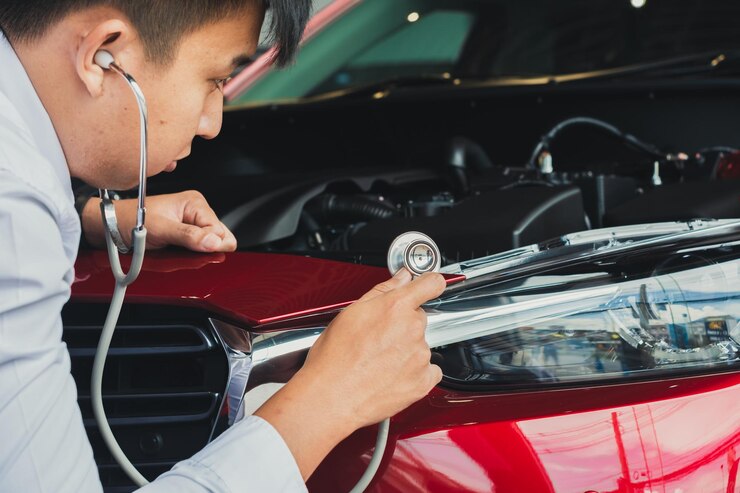
The acquisition of a sports car is an exciting adventure, and one that is associated with maintenance and long life of its existence. The DIY Sports Car Maintenance Guide will enable the car fanatics to save some money, enhance their knowledge of the working of the motors, and sustain the performance at optimal levels. This book is quite practical and provides conversations relevant to the sports-car owners and a totally comprehensible conclusion at the end of each part.
Why DIY Maintenance Matters
Eastern care, which involves hands-on care at regular intervals, will ensure that minor problems tend to translate into major treatments. It helps in the increase of confidence even in performing simple tasks like oil changes and tire rotation. By actively maintaining the wellbeing of your car, you will not only make the technology your owners running 25 years in your capable hands but also protect them on the hazy tracks.
Cost Savings and Control
Home tasks would save $25 to 75 or hundreds of dollars on each oil change and hundreds or thousands of dollars over the car life. It is very good that the parts and fluids shopping is usually cheaper through the internet than in the dealerships.
Performance Consistency
New liquids and good nice tires give regular handling and brakes that are responsive. Proper filters and filter belts also ensure that the engine can produce maximum horsepower earnestly.
Snippet-Optimized Section
What are the Top Tips in DIY Sports Car Repairing?
- Replacing Aправи has a preventive maintenance of 3,000-5,000 miles.
- Check and change air filters twice in a year.
- Check and refill brake and power steering fluids, washer fluid and check monthly.
- Check Tire pressure and Tread depth before the long drives.
- Wipe off battery posts as this prevents corrosion.
These measures maintain the performance focused and prevent visits to the shops that will be expensive.
Introduction to the NCCN: Key tools.
The entry-level toolkit can get the majority of DIY projects going without emptying the wallet.
- Socket and wrench set in case of oil filters & belts.
- Digital inflator and tire pressure gauge so that pressure is correctly controlled.
- Clean replacement funnel, catch pan and quality oil.
- Special care to bake soda and wire brush for use in placing safely batteries in the machine.
Starting with all these creates a strong base on which one can advance in the future.
Fluids: The Blood Cling to your Sports Car.
Making sure that the fluids are kept at their optimum is crucial to engine and component life.
Engine Oil and Filter
Performance cars end up needing clean oil that can lubricate close cavities. Rechange oil after every 3,000 to 5,000 miles or the owner’s manual. Oil with a higher rating than your engine will require should be used in order to minimize friction and wear.
Coolant and Brake Fluid
Damage to the sports car is more rapid especially due to overheating as compared to normal vehicles. When the engine is cold, check the coolant level, it should be not less than minimum and not more than maximum indicators. Broking fluid must not stand in the reservoir, it must be transparent and in the safe zone of the reservoir to stop it immediately.
Power Washer Fluid and Washer Power Steering.
Making the strains cause the pump and the rack to fail at the cost of high cost parts because of low power steering fluid. Washington washer fluid will support sight, and will not over-work the wiper engine. Ventilate these on a routine basis.
Tire Care: Grip and Safety
Heavy tires come with proper care in respect to scaling and acceleration.
Pressure Checks
The lap-like cornering and the highway stability depend on tires pressure. Check pressure monthly and before long, and altering to manufacturer compensation. Flat tires cause overheating of tires, and wearing, and overinflation lowers points.
Tread Depth and Rotation
Performance tires commonly fitted in sports cars need even distribution. Tread measurement Depth of measure with tread gauge; change tires that measure less than 4/32 inch of tread. Turning Tires should be done after every 5,000 miles to balance wear and to increase the service life.
Brake System: Making Response Immediate.
Sports cars have restrictive braking systems which require keen inspection.
Pad and Rotor Inspection
Check the sheet of the brake pads; in the event of a sheet metal pads falling to less than 3 mm thickness change them (or have them changed); check rotors-brakes to be sure there are no grooves, cracks, in them; otherwise the braking will be shighty.
Fluid Flush
The braking fluid is prone to water, and when boiled, it may leak during excessive braking. Previous maintenance service: Alternative Every two years or on days that they are using the car aggressively on the track, flush the system.
Filters: Engine Protection Engine safeguarding
Filter boxes enable engine items to breathe out and have their way.
Air Filter Replacement
Change air filters on a bi annual basis or after 12000 miles, whichever is first. New filter enhances airflow and is fuel efficient.
Cabin Filter Care
Clean AC vents and removal of allergens is guaranteed by a clean cabin filter and this is extremely vital when making long journeys.
Belts and Hoses: Obstruction of Probable Failing.
Check belts and hoses to ensure that they do not burst unexpectedly.
- Inspect serpentine belt-cracks, glazing and/or fraying.
- Squeezer hoses they must not be spongy nor brittle.
Change belts after every 60, 000 miles and hoses after every 5 years.
What happens is an event of failure to re-place worn parts hence causing overheating and overall breakdown of the engine.
Battery Care: resident Starts.
Misfortunes at the beginning may think away the happiness of a soulful morning drive.
Terminal Cleaning
Unhook the negative post, and scrape the corrosion as much as possible with a pasting of baking soda. Wipe and dry again then essential to avoid resistance to electricity.
Voltage Checks
Check test battery voltage after monthly; healthy test battery Voltage is at least 12.6 volts when the car is not started.
Suspension and Alignment: Selective Therapies.
The suspension of sports car requires very fine tuning to agility and comfort.
Visual Inspection
Check Shock absorbents which may be leaking and damaged bushings which affects control. Timely replacement of parts that get worn, before they interfere with handling or tires.
Professional Alignment
There are also DIY alignment tools which are however in the process of reaching factory specifications, in most cases, specific tools are needed. Alignment should be done after changing tires or the suspension.
Seasonal Considerations: Things of the Season.
Extreme climates demand particular attention of sports cars.
Summer Care
Sunshades will prevent damage by UV on interior and dashboard. Frequentially wash to get the road salt and fatraque dust out of it.
Winter Precautions
Go to performance all-season tires where performance only rubber will not drive. In maintenance of visibility, use winter grade washer fluid.
Personal Secondary: Restaurant Wrenching Officer.
Maintaining the car yourself provides a high level of association. An oil change amateur remembers the mishaps in oil changes that cost them tighter seals in filters that taught them of importance of torque to specifications. Mechanical intuition is improved by adopting trial and error after conducting the right research.
Takeaways and Next Steps
Hacking out a habit of DIY opens opportunities of low costs and one being proud of having a high-quality machine. Start by changing fluid and oil plans, then, on to tyres, then brakes, filters and belts. Keep maintenance record and refer to your owners hand book on some model specific intervals. What is done today to keep the rush-hour alive to-morrow.
Using these DIY Sports Car Maintenance Tips religiously, the fans are guaranteed that every ride will be accurate and thrilling as it promises to be.