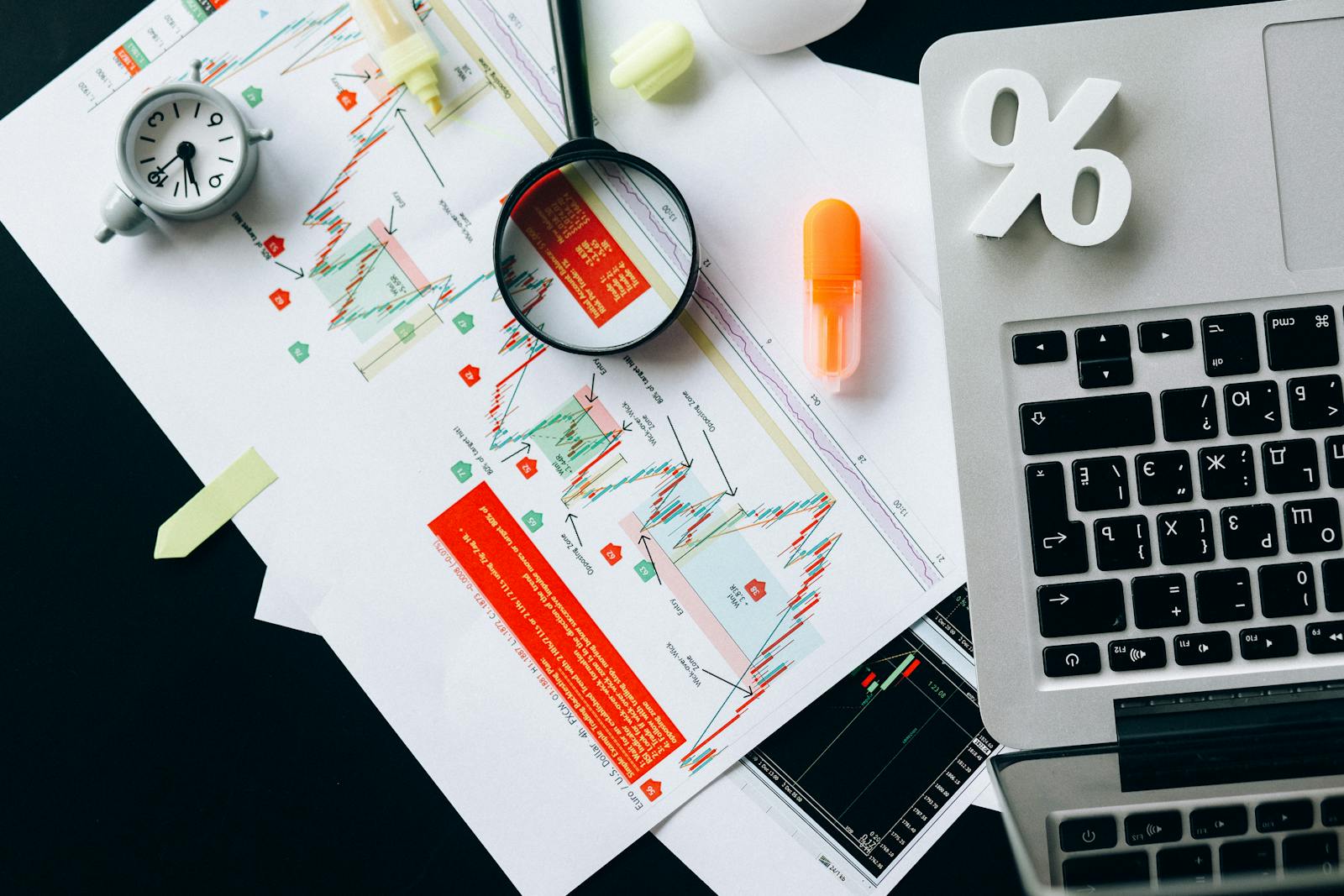
Forex trading success depends crucially on understanding market dynamics because this field operates at a high pace. The complex financial market requires traders to adopt intermarket analysis as their primary methodology because this approach helps them succeed by uncovering hidden market relationships. The approach shows both the relationships between various asset types and delivers critical information which helps traders make their decisions. The analysis tool revealed itself as a powerful research tool when I tested it during my trading experience to understand currency market behaviors better.
The Foundations of Intermarket Analysis
Understanding Intermarket Analysis
The implementation of intermarket analysis represents a fundamental strategy which traders require for forex operations. This analysis discovers the connection patterns between four major asset types which consist of bonds together with commodities alongside equities and currencies. By using this method analysts gain knowledge that general analysis techniques normally miss. Why is this important? The analysis helps traders understand entire market dynamics better because it provides better information than isolated data from one market.
A Historical Perspective
The first recorded origins of intermarket analysis date to the 1980s. During the 1980s global financial markets underwent substantial transformation due to rising market globalization. The emerging market synchronization demanded a framework that could explain related financial linkages. The creation of intermarket analysis represented an answer to market needs when traders required methods to predict currency moves through monitoring multiple markets’ trends.
The Role of Technology
The modern advancement of technology strongly contributes to improved intermarket analysis practices. Detailed analytical instruments including correlation matrices and relative strength indicators assist traders in recognizing mutual relationships between different asset classes. The new technological solutions enhance data handling operations and aid traders in comprehending market relationship dynamics. The introduction of machine learning together with artificial intelligence technology has caused significant improvements in intermarket analysis prediction abilities.
Why You Should Care
Using intermarket analysis in forex trading requires taking a wider view of markets. A shift in economic data or market movement regarding equities and bonds along with commodities produces changes in selected pairs of currencies. A commodity price uptrend creates currency value increases for Australian dollar and Canadian dollar denominated currencies. The knowledge of these intermarket relationships assists you to make better trading decisions.
Key Components of Intermarket Analysis
- The price activities of commodities such as oil and gold generate direct currency value changes for exporting nation currencies.
- Bonds create forex power by rising their prices which attracts foreign investors.
- At the same time when stock markets increase its value this typically leads to stronger currency strength.
- The relationship between different currencies behaves according to the performance of complementary asset classes.
Staying Vigilant
The analytical approach of intermarket analysis generates important findings yet traders must understand that relationships between values do not show cause-effect relationships. The incorrect analysis of intermarket relationships results in expensive errors. Just like market conditions the trader must always be flexible. Comprehensive market success requires traders to maintain constant monitoring of worldwide affairs as well as economic developments.
Looking Ahead
Intermarket analysis remains promising for the future because it benefits from rising use of automation systems and big data analysis technologies. The future trends will boost your trading strategies by revealing better perspectives on market direction signals. The next step in your intermarket analysis study requires integration with other analytical systems to create complete trading assessment methods.
Intermarket analysis serves as the fundamental tool for analyzing the forex market structure. The examination focuses on four fundamental assets which include commodities and bonds and equities and currencies. The currency market directly relies on the continuous influence of commodities bonds equity and currencies. The understanding of such connections will help you create better trading strategies.
1. Overview of Asset Classes
Let’s break down the four asset classes:
- Physical goods such as oil along with gold comprise commodities assets. Currencies of exporting nations typically experience effects from these events.
- Bonds: These are debt securities. Prices of such bonds influence local currencies through investment flow dynamics.
- Equities: Stocks represent ownership in companies. idebar analysis can shift investor feelings toward currencies which affects their current market values.
- The actual funds used for trading constitute currencies. The fluctuation of exchange rates depends on activities within other financial asset categories.
2. Influence on Currency Movements
The fluctuation of currencies depends on how these asset classes perform in the market. Rising commodity prices normally trigger increased value in currencies that hyperlink to commodities such as the Australian Dollar (AUD) and Canadian Dollar (CAD). Increased commodity prices drive upward demand for specific currencies because they lead to increased exports.
The rise of bond prices signals to investors that foreign money is entering the specific nation. The local currency achieves greater strength under these circumstances. Knowledge of these market forces proves vital for traders who want to make better decisions in their trading activities.
3. Example Correlations in Forex Trading
Consider the following correlations:
- A rise in oil prices usually generates an appreciation of the Canadian foreign exchange in the market.
- The strength of USD/JPY rises as stock market bullishness emerges in the market.
The observed relations confirm how different markets affect one another. Through this analysis you gain improved capabilities to forecast currency price fluctuations.
The evaluation of different asset classes enables you to develop accurate forex predictions. The combination of multiple relevant trading methods results in better trading performance. The interaction of these components needs your constant attention because it will boost your trading strategies.
Success in trading requires proper tools to transform the game. The two fundamental tools in trading practice consist of both correlation matrices and relative strength indicators. The monitoring tools display visual relationships that show the linkages between commodities and equities and currencies besides other asset classes. Analyzing these relationships will allow you to make trading decisions with more extensive information.
1. Correlation Matrices
The correlation matrix represents a table system which demonstrates all the variable correlation coefficients between numerous variables. This chart illustrates the measure of connection between various asset classes within a particular system. The identification of a high positive connection between oil price movements and the Canadian dollar enables traders to forecast currency actions according to changing oil market conditions. Such market relationship information proves essential for traders who want to make the most out of current market movements.
2. Relative Strength Indicators
Relative strength indicators function as analytical tools to evaluate both speed and modified price trends of market activities. The indicators enable traders to spot market areas where prices have reached both excessive purchase levels and excessive sales levels. A currency pair showing an RSI reading over 70 points toward potential price dropoff because the pair has reached an overbought stage. Implementing RSI together with intermarket analysis demonstrates value in strengthening your trading methods.
3. Integrating Intermarket Analysis
Integrated use of intermarket analysis requires traders to understand which market factors impact others. A bullish pattern within stocks tends to produce affiliate currency strength due to its upward momentum. Constant observation of these market trends gives traders the ability to modify their trading positions.
4. Potential Pitfalls
The valuable information obtained from intermarket analysis requires keen attention to detail. The incorrect assumption that correlated variables have a cause-effect relationship produces expensive misjudgments. Market co-movement alone does not prove that any market drives another market. The relationships between markets can become unstable during times of high volatility so traders must continuously stay updated about global economic events.
Intermarket analysis success requires a perpetual process of learning as well as continuous adaptation. Market evolution results in changes to their current relations. Your trading decisions and planning methods will improve and your strategies will develop better through maintaining knowledge of market transformations.
Traders need both correlation matrices and relative strength indicators as essential tools for their operations. Such visual tools help traders identify meaningful relations and trends that create more effective market decisions. Using intermarket analysis together with awareness about potential market challenges will improve your abilities to tackle forex trading complexities.
Forex trading brings continuous changes to its existing structure. The main transition in intermarket analysis includes the full integration of technology. The method moves away from its initial purpose of studying asset class interrelationships. A trader can benefit from advanced tools to build better trading approaches.
Trends in Technology Integration
Artificial intelligence (AI) together with machine learning technologies have transformed into mandatory systems for forex trading operations. The automation analyzes data volumes that exceed human abilities in speed. These tools discover patterns which absence from the human visual field. Such a tool can use past market learning to identify future movement patterns. The tool enhances your ability to make better decisions through its valuable functionality.
The Impact of Big Data and High-Frequency Trading
The analysis of data on a big scale serves as a vital component during intermarket evaluations. Traders gain efficiency through the system which collects market information from multiple sectors at once. HFT extends the integration of fast trading by implementing sophisticated technology. The trading system performs operations at prompt speeds that result from instantaneous data evaluation. The interaction dynamics between various markets create opportunities for traders to make better decisions based on market connectivity.
Adapting to Changing Market Conditions
The market environment never shows stable conditions. Adjusting yourself properly ensures maximum trading effectiveness. A trader must maintain awareness of current worldwide events alongside economic indicator developments. Shifts in commodity prices have an immediate effect on currency values in the market. Your market position will improve after understanding market dynamics.
Advanced analytics along with automation systems provide better results when performing intermarket analysis. Your market movement prediction capabilities increase as you implement these tools for trading purposes. The fundamental necessity for traders involves obtaining knowledge about worldwide events. You gain better market predictions and learn to handle the complex financial market network.
The outlook for intermarket analysis within forex trading appears positively developed. Integrating technology adoption with market transformation allows traders to develop superior trading operational models. Relying on this process will provide you with understanding necessary for making wise financial choices. Your strategies need to transform according to market development. Learning intermarket analysis provides forex traders with their optimal path to success in today’s ever-changing forex market structures.